What Tuckpointing Is and Why It’s Critical for Commercial Buildings
Commercial tuckpointing involves repairing and restoring mortar joints to protect and maintain the structural integrity of buildings, with local contractors ready to handle this essential work.
Understanding what tuckpointing is and why it’s critical for commercial buildings is essential for property owners looking to protect and preserve their investments. Tuckpointing involves repairing and restoring the mortar joints between bricks or stones, helping to maintain the structural integrity and aesthetic appeal of a building’s exterior. Over time, weathering, settling, or age can cause mortar to crack or deteriorate, which may lead to more significant issues if left unaddressed. Local contractors who specialize in commercial tuckpointing offer the expertise needed to ensure that these vital repairs are performed correctly, helping to extend the lifespan of a building’s façade.
For property owners in the area, exploring the importance of tuckpointing can be a practical step toward safeguarding their commercial structures. Properly maintained mortar joints not only improve curb appeal but also prevent water infiltration and structural damage that can be costly to repair. Many local service providers offer comprehensive tuckpointing services tailored to the unique needs of commercial properties, ensuring that repairs are durable and effective. Continuing to read can provide valuable insights into how this service supports building longevity and why partnering with experienced local contractors is a wise choice for maintaining the integrity of commercial buildings.
- Commercial property owners may seek tuckpointing to repair deteriorating mortar joints and preserve building integrity, with local contractors employing specialized techniques to ensure durable results. - When brickwork shows signs of cracking or water infiltration, local service providers use tuckpointing to restore structural stability and prevent further damage. - Businesses looking to maintain a professional appearance might hire local pros for tuckpointing to enhance the aesthetic and value of their commercial buildings. - If mortar joints are eroding or missing, local contractors can perform tuckpointing to reinforce the masonry and extend the lifespan of the structure. - For buildings experiencing mortar decay due to age or weather, local service providers approach tuckpointing as a critical maintenance step to protect against costly repairs.
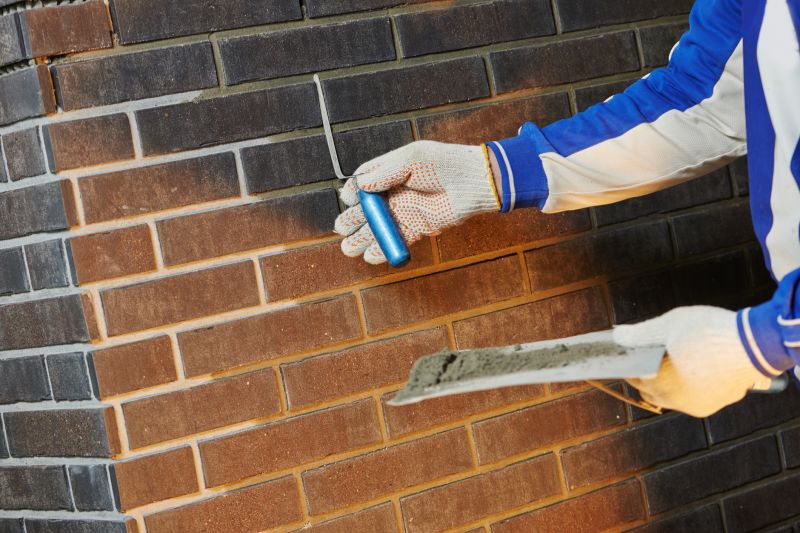
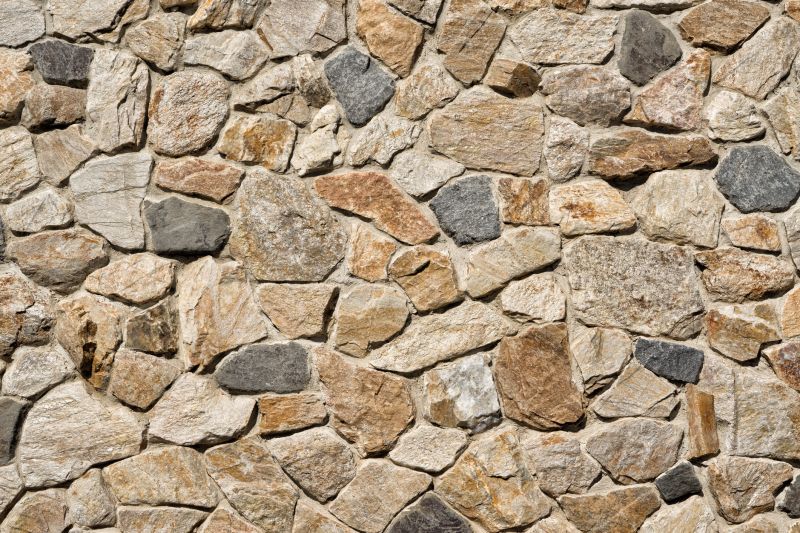
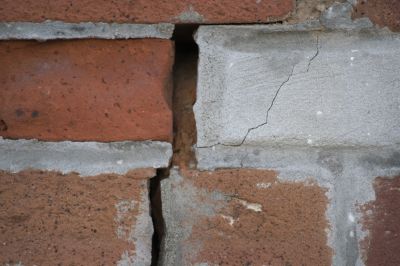
Tuckpointing is a specialized masonry repair technique that involves removing and replacing deteriorated mortar joints between bricks or stones. When people search for what tuckpointing is and why it’s critical for commercial buildings, they are often trying to understand how this process helps maintain the structural integrity and appearance of their properties. Over time, exposure to weather and general wear can cause mortar to crack, crumble, or fall out, leading to weakened walls and potential safety concerns. Commercial buildings, which typically feature large brick facades or stone exteriors, require regular maintenance to prevent small issues from turning into costly repairs. Tuckpointing restores the mortar’s strength and appearance, helping to preserve the building’s overall stability and curb appeal.
This topic relates closely to a range of property maintenance and renovation plans. Building owners and facility managers may consider tuckpointing when they notice signs of mortar deterioration, such as crumbling joints, gaps, or visible cracks. Addressing these problems early can prevent water infiltration, which often causes further damage like mold, interior deterioration, or even structural issues. Many property owners also plan tuckpointing as part of larger exterior restoration projects to improve the building’s aesthetic appeal or to prepare for leasing or sale. For commercial properties like office complexes, retail centers, or industrial facilities, maintaining a professional exterior appearance is often essential for attracting tenants or customers, making tuckpointing an important component of their upkeep strategy.
The types of properties that typically come up in discussions about tuckpointing are often large-scale commercial structures built with brick, stone, or similar masonry materials. These include office buildings, shopping centers, warehouses, and institutional facilities such as schools or hospitals. These properties tend to have expansive facades or exterior walls that are exposed to the elements and require ongoing maintenance to ensure longevity. While residential buildings can also benefit from tuckpointing, it is especially critical for commercial properties due to their size, visibility, and the higher stakes involved in maintaining their structural and aesthetic standards. Local contractors who specialize in commercial tuckpointing are equipped to handle these larger, more complex projects, ensuring that the work is done efficiently and to the necessary standards.
Understanding what tuckpointing is and why it’s essential for commercial buildings helps property owners recognize the importance of timely repairs and maintenance. When deterioration occurs, it can compromise the safety and appearance of a property, potentially leading to more extensive and costly repairs if left unaddressed. Local service providers who specialize in commercial tuckpointing are experienced in assessing the condition of masonry exteriors and providing expert repairs that extend the life of the building. They play a vital role in helping property owners keep their structures safe, attractive, and functional, ensuring that exterior masonry remains a durable and visually appealing feature for years to come.
Masonry Repair Projects - These projects involve restoring and maintaining brick, stone, and concrete structures, requiring similar skills and tools used in tuckpointing for commercial buildings.
Facade Restoration - Restoring building exteriors to preserve structural integrity and appearance often involves detailed masonry work akin to tuckpointing techniques.
Brickwork Restoration - Repairing and replacing damaged bricks or mortar joints aligns with the skills needed for effective tuckpointing in commercial settings.
Chimney Repointing - This involves renewing mortar joints in chimneys, a process closely related to tuckpointing for maintaining masonry stability.
Stone Masonry Projects - Working with natural stone surfaces requires precision and planning similar to tuckpointing for commercial building facades.
Structural Masonry Reinforcement - Strengthening and stabilizing masonry structures involves planning and techniques comparable to those used in tuckpointing services.
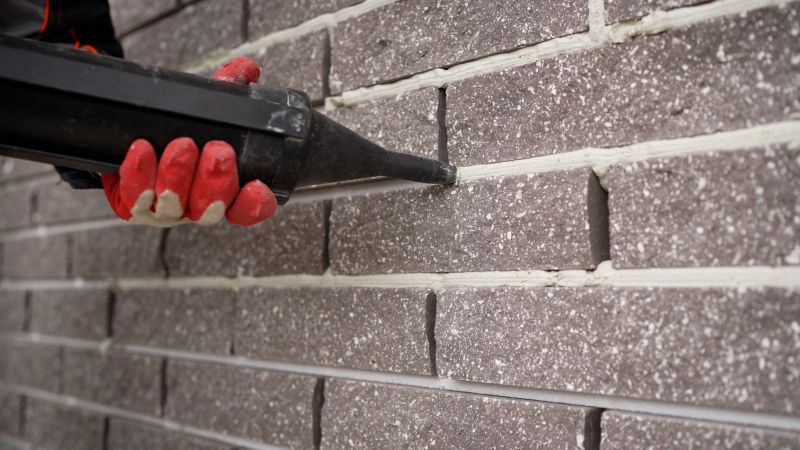
When evaluating commercial tuckpointing services, it is important to consider the experience of local contractors with similar projects. Tuckpointing involves carefully restoring the mortar joints between bricks or stones, which requires skill and familiarity with the specific building styles and materials used in commercial structures. Service providers who have completed comparable work can often demonstrate an understanding of the unique challenges involved, helping to ensure that the repair not only enhances the building’s appearance but also maintains its structural integrity. Asking about past projects or reviewing portfolios can provide insight into a contractor’s expertise and their ability to handle the scope of work needed for commercial buildings.
Clear written expectations are essential when choosing a service provider for tuckpointing. A detailed scope of work that outlines the tasks to be performed, the materials used, and the standards for quality helps prevent misunderstandings and sets a foundation for a successful project. Reputable local contractors are typically willing to provide thorough written proposals or estimates that specify what will be done and what results to expect. This transparency allows property owners to compare options effectively and ensures that everyone is aligned on the project’s goals, reducing the risk of surprises during the process.
Good communication and reputable references are key factors to consider when selecting a commercial tuckpointing service. Contractors with a track record of positive relationships with past clients are often more reliable and responsive. Reaching out to previous property owners or managers can provide valuable insights into the contractor’s professionalism, responsiveness, and ability to complete projects on time and within scope. Open lines of communication throughout the project facilitate prompt resolution of questions or concerns, which is especially important for commercial buildings where ongoing operations depend on timely and quality work.
Property owners often search for what tuckpointing is and why it’s critical for commercial buildings when they are planning practical projects around their homes and businesses. Local pros provide Commercial Tuckpointing services for everyday jobs and straightforward project options.
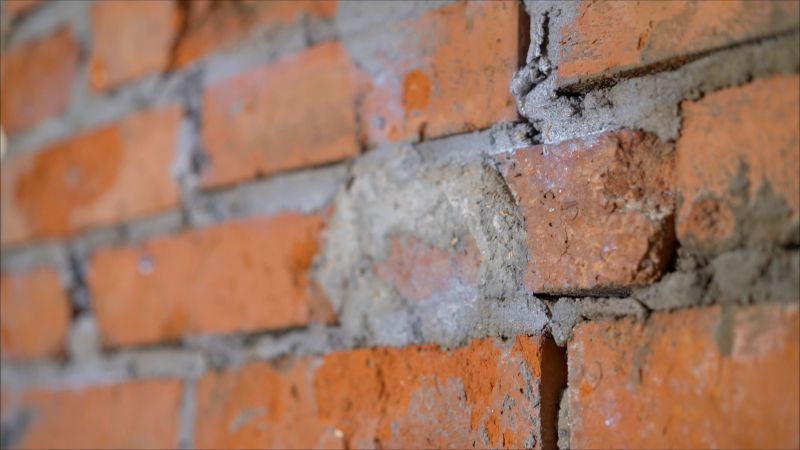
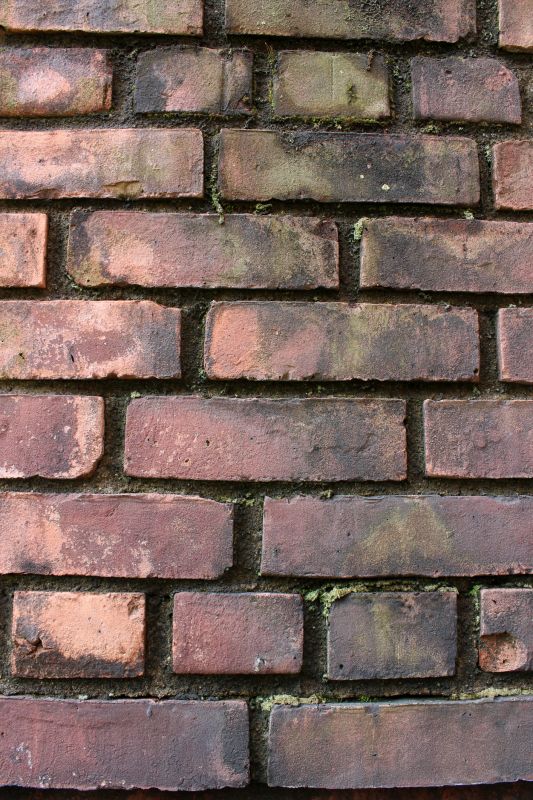
Understanding what tuckpointing is and why it’s critical for commercial buildings can help property owners recognize the importance of maintaining their structures. Over time, mortar joints between bricks can deteriorate due to weather exposure and age, leading to cracks, gaps, and weakened walls. Local contractors who specialize in commercial tuckpointing can assess these issues and perform the necessary repairs to restore the integrity and appearance of the building’s exterior. Addressing mortar damage early can prevent more costly repairs down the line and help preserve the building’s value and safety.
Many property owners in the area look up this topic because they notice cracks or crumbling mortar on their commercial facades or want to ensure their buildings remain structurally sound. Tuckpointing services offered by experienced local service providers focus on removing damaged mortar and replacing it with fresh material that matches the original aesthetic. This process not only improves the visual appeal but also helps protect the brickwork from water infiltration and further deterioration. Engaging with local contractors who understand the specific needs of commercial buildings can ensure that repairs are done efficiently and effectively, keeping the property in top condition.
What is tuckpointing and how does it relate to commercial buildings? Tuckpointing is a masonry repair process that involves removing damaged mortar and replacing it to restore the appearance and integrity of brickwork. For commercial buildings, it helps maintain structural stability and curb appeal by addressing mortar deterioration.
Why is tuckpointing important for the longevity of commercial buildings? Tuckpointing prevents water infiltration and structural damage caused by deteriorating mortar, which can lead to costly repairs if left unaddressed. Proper maintenance by local contractors ensures the building remains safe and durable over time.
How do local contractors determine if tuckpointing is needed on a commercial property? They assess the condition of the mortar joints for signs of cracking, crumbling, or missing mortar. If damage is present, professional tuckpointing services can restore the brickwork’s stability and appearance.
What are the benefits of hiring professionals for commercial tuckpointing services? Experienced service providers use proper techniques and quality materials to ensure effective repairs, helping to extend the building’s lifespan and maintain its value without unnecessary risks.
Can tuckpointing be integrated into regular building maintenance for commercial properties? Yes, regular inspections and timely tuckpointing repairs by local contractors can help prevent more extensive damage and preserve the structural integrity of commercial buildings over time.
Assessing masonry condition - Property owners can evaluate the integrity of their building’s brickwork to identify areas needing tuckpointing, ensuring timely repairs with local contractors.
Planning for maintenance - Incorporating tuckpointing into regular building upkeep can prevent structural issues, making it easier to schedule services from local pros when needed.
Restoring historic facades - For buildings with decorative brickwork, planning tuckpointing projects can preserve aesthetic appeal while maintaining structural safety through local service providers.
Preventing water damage - Addressing mortar deterioration early helps protect the building from moisture infiltration, with local contractors providing essential tuckpointing services to safeguard the structure.
If you are thinking about what tuckpointing is and why it’s critical for commercial buildings for a property, this guide is meant to help you understand this topic, the typical project types, and how different options might fit your plans.
When you are ready, you can use the quote form on this page to share a few details about your project. From there, local pros can review the basics and follow up with options that match what you have in mind.